
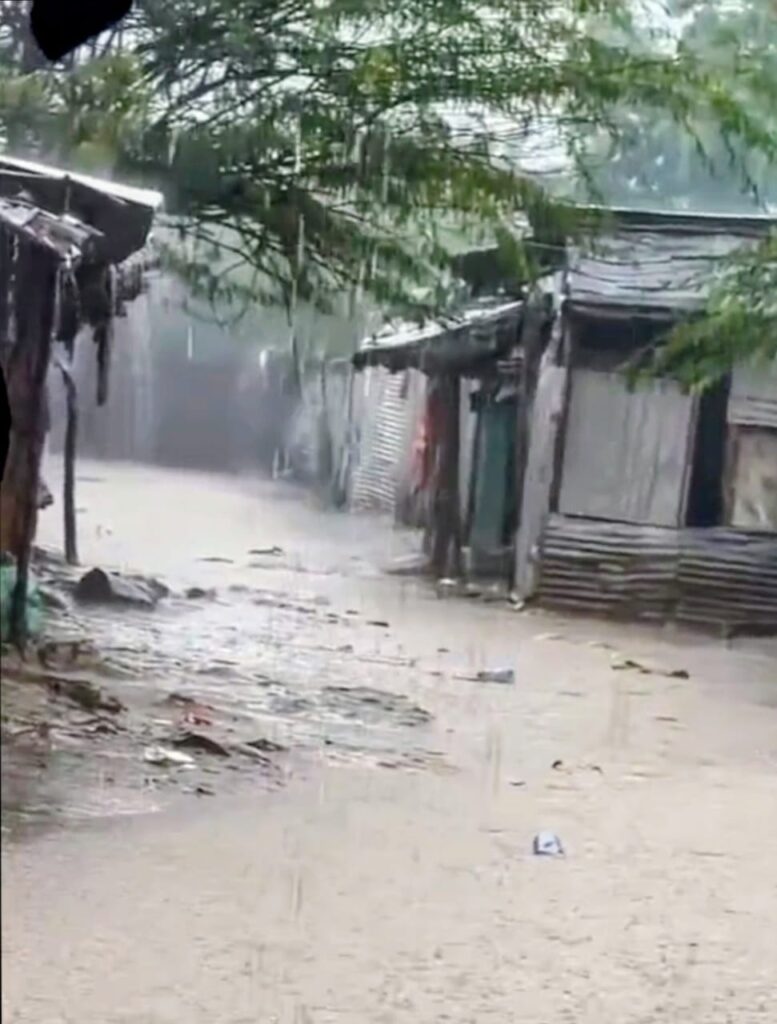
For many months, the sky above Kakuma Refugee Camp and Kalobeyei Settlement stayed dry and empty. The hot sun ruled every day, the winds blew clouds of dust, and the ground was cracked and lifeless. But now, after a long and painful wait, rain has finally arrived and for the people living in these camps, it feels like a true blessing from above.
The Long Dry Season
Life in Kakuma and Kalobeyei is not easy. The camps are located in Turkana County, in the northwestern part of Kenya — one of the driest regions in the country. The sun shines fiercely every day, and temperatures often go above 35°C. The land is dry, the air is dusty, and strong winds make the environment even harsher.
During the long dry season, the refugees and host community face many challenges. Water becomes scarce, farming becomes almost impossible, and even animals suffer from thirst. The people spend hours walking to fetch water from boreholes or water tanks.
The dust storms are another big problem. They cover everything — clothes, food, and even sleeping areas. The children cough because of the dust, and keeping homes clean becomes a daily struggle.So when dark clouds finally appeared in the sky this week, people’s hearts were filled with joy and hope.
The First Drops of Rain
At first, the rain came slowly — just a few drops falling on the dry soil. But soon, it turned into a real shower. The smell of wet earth filled the air, and children ran outside laughing, dancing, and shouting with happiness. Many people lifted their hands toward the sky, thanking God for remembering them.For months, everyone had been praying for this moment. In Kakuma and Kalobeyei, rain is not just water — it means life.
A Blessing for the Farmers
The camps may be dry most of the year, but many families try to grow vegetables like cabbages, sukuma wiki (amboga), tomatoes, and spinach whenever they get a chance. These small farms are a source of food and income for many refugees.
Now that the rains have come, people are ready to work on their gardens again. The soil is soft, the seeds can grow, and the green color will soon return to the land.
For most families, this means better food on the table. Children will eat fresh vegetables instead of only dry food like maize and beans. Some people will also sell their extra produce in the market to earn a little money.
So, while the rain may seem simple, to the people of Kakuma and Kalobeyei, it brings hope, health, and happiness.
The Air Feels Fresh Again
One of the first changes everyone noticed after the rain was how fresh the air became. The constant dust that covered everything has finally settled. For once, the wind feels cool and clean.
For the next few weeks, there will be no strong dust storms or flying sand that blinds people’s eyes. The roads, houses, and trees will stay clean for a while. Mothers are especially thankful for this because they can finally wash clothes and dry them without worrying about dust covering them again immediately.
The Challenges After the Rain
But even though rain is a blessing, it also brings new problems to the camps. The roads in Kakuma and Kalobeyei are not well-built. They are made of soil, and when it rains, they quickly become muddy and slippery.
Moving around becomes very hard. People who use motorbikes or bicycles find it difficult to travel. Public transport slows down. Some areas become completely cut off because of floods or deep mud.
Ambulances and humanitarian vehicles also struggle. When someone falls sick or a woman needs to go to the hospital, reaching medical help can take hours. This makes rainy days both a gift and a challenge.
The Dangers for Children
After the rains, small ponds and temporary lakes form in many areas around the camps. While children love to play in them, these water bodies can be very dangerous. Some are deep, and the ground underneath is soft and slippery.
Sadly, there have been cases where children have drowned while playing in floodwaters or temporary lakes. Parents and guardians are now being warned to keep a close eye on their children during this season.
Waterborne diseases such as cholera and diarrhea can also spread easily when dirty water is used for drinking or cooking. So while the rain brings new life, it also demands extra care and cleanliness.
The Community Response
As the rains continue, community leaders and aid organizations in Kakuma and Kalobeyei are working to keep everyone safe. Refugee volunteers help clean drainage systems and guide people on how to store clean water.
The Lutheran World Federation (LWF), UNHCR, and World Food Programme (WFP) often run awareness programs to teach families how to protect themselves during rainy seasons. They also support farmers with seeds and tools so they can make the most of the short wet period.
Local radio stations in the camps are broadcasting safety messages, encouraging parents not to let their children swim in rainwater pools.
A Time for Hope and Renewal
For now, the sound of rain falling on tin roofs is a song of peace and happiness in Kakuma and Kalobeyei. After months of unbearable heat, people can finally breathe fresh air and see the ground turning green again.
It reminds everyone that no matter how long the drought lasts, better days always come. The rain washes away the dust and brings new beginnings — just like the hope that refugees carry in their hearts every day.
As one resident said,
“When the rain falls, it is like God visiting us. The ground smiles, and so do we.”
Conclusion
The first rain after a long drought is more than just weather — it is a moment of joy, healing, and gratitude for the people of Kakuma Refugee Camp and Kalobeyei Settlement. It gives them a chance to farm again, to breathe cleaner air, and to see the beauty of nature return.
Even with the mud, the floods, and the small challenges that come with it, the rain is still a beautiful blessing. It reminds everyone that patience and faith always bring rewards.
For now, the residents of Kakuma and Kalobeyei are smiling again — watching the sky with thankful hearts, hoping the rain will continue to bless their land and lives.